What Is the Definition of “Scallywag”? A Clear Explanation
“Scallywag” is a colloquial term that traditionally describes a mischievous, unruly person—often a child—who habitually bends rules or behaves cheekily, yet without malicious intent. In contemporary usage the word can also convey affectionate teasing for an adult who displays playful roguery. Understanding this nuanced definition helps buyers of language‑focused products—such as books, games, or branding services—choose the right tone for their audience.
When Does “Scallywag” Apply? Real‑World Scenarios
Identifying the appropriate context for “scallywag” prevents miscommunication. Below are typical situations where the term fits:
- Family storytelling. A parent describing a child’s harmless pranks may say, “My little scallywag hid my keys again.”
- Marketing copy. Brands targeting a youthful, rebellious vibe often sprinkle “scallywag” into taglines to evoke a sense of fun rebellion.
- Literary character design. Authors use the word to round out a mischievous yet likable protagonist, distinguishing him from a true villain.
- Social media banter. Friends might label each other “scallywag” in jokes, reinforcing camaraderie without offense.
Key Elements That Define a Scallywag
Three core attributes differentiate a scallywag from a troublemaker:
- Playful intent. The behavior is meant to amuse, not to cause harm.
- Repeated mischief. A pattern of cheeky acts, not a one‑off error.
- Endearing perception. Listeners view the person as lovable rather than dangerous.
Choosing Language for Different Audiences
Buyers seeking to adopt “scallywag” in their content should weigh these criteria:
- Demographic fit. Younger audiences and families respond well; older professional groups may find it too informal.
- Cultural resonance. In U.S. English the term conjures nostalgic, countryside charm, whereas overseas it may be less familiar.
- Brand personality. Brands positioning as adventurous or whimsical benefit most from the word’s light‑hearted edge.
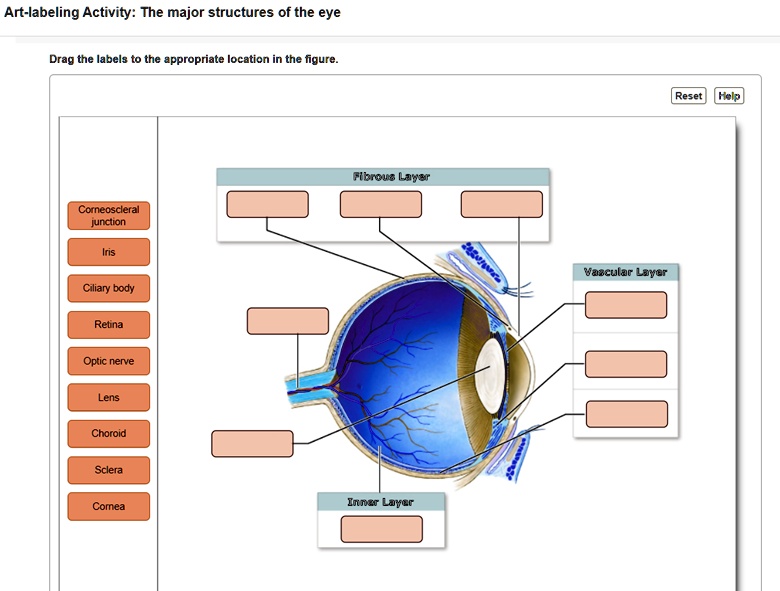
Visual Aid: Understanding Nuance Through an Eye Diagram
The eye diagram above illustrates how each part—like the iris (intent) and pupil (perception)—mirrors the defining traits of a scallywag, helping content creators visualize the balance between mischief and endearment.
Implications for Content Strategy
Incorporating “scallywag” can boost engagement when used strategically. It signals a relaxed brand voice, encourages user interaction, and can differentiate copy in saturated markets. However, overuse dilutes impact and risks sounding forced.
Bottom Line: When to Deploy “Scallywag”
Adopt “scallywag” when you need a light, affectionate label for playful misbehavior, especially in family‑focused, creative, or whimsical contexts. Verify audience suitability, align with brand tone, and limit frequency to preserve the word’s charm.