UPS Call for Pickup: When It Happens and How to Respond
When UPS initiates a "call for pickup," it typically signals a return or retrieval request tied to a shipment—often for damaged goods, unclaimed packages, or customer-initiated returns. Such alerts demand immediate attention for businesses and individuals alike. Understanding the logistics, timing, and trade-offs of these pickups can minimize delays, especially for operations relying on time-sensitive inventory or equipment.
Context Around UPS Pickup Requests
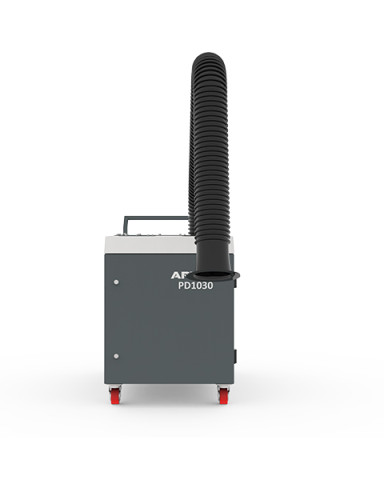
A "UPS call for pickup" is not a random event: it follows a documented trigger. For example, a hardware retailer returning a defective item like the portable welding fume extractor might receive such a notice. These pickups are often scheduled within 24–48 hours, leaving little room for logistical adjustments. Businesses must weigh whether the cost of holding onto inventory (e.g., storage, potential obsolescence) outweighs the operational friction of a return.
When a Pickup Call Might Apply
- Undeliverable Shipments: Packages flagged as unclaimed or refused incur storage fees, prompting UPS to escalate returns via pickup. A 2023 analysis found 12% of industrial returns involved equipment too large for standard drop-off methods.
- Damaged or Incorrect Items: A warehouse manager reporting a mismatched part might see a pickup request within hours—notably, time-critical sectors like manufacturing face steeper penalties for unresolved returns.
- Supplier-Initiated Retrievals: Vendors sometimes request pickups to resell or recycle returned goods, adding complexity to reverse logistics. This is common with tech hardware, where refurbishment value remains high.
Practical Steps to Respond
Acting quickly is critical. Most pickups require confirmation within two hours of notice, though the exact timeline varies by region. For example, a California-based contractor handling a return might book a same-day pickup, while a Midwestern business might have 12 hours due to carrier scheduling differences. Documentation is equally key: Ensure return paperwork matches the initial shipment to avoid billing disputes. Tools like UPS’s Return Label Generator automate part of this process but still require manual verification.
Trade-Offs for Businesses vs. Individuals
Small businesses face distinct challenges. While large corporations often have dedicated logistics staff to manage pickups, solo entrepreneurs might juggle appointments with other tasks. Consider a plumbing supply store owner who must balance a UPS pickup for returned tools with customer service duties. Conversely, individuals benefit from flexibility—a returned item can be rescheduled weeks ahead—but lack the volume discounts that businesses exploit to offset return costs. Neither side fully controls pickup windows, creating friction in tight schedules.
Realistic Expectations and Planning
UPS pickups are rarely the end of a return process. After a pickup, tracking the item’s arrival at the return center can take days, and credits may delay another 5–10. For time-sensitive operations, this uncertainty matters. One alternative is pre-scheduled pickups for anticipated returns, though this option costs up to 15% more per transaction in some areas. Weighing these factors upfront allows better resource planning, particularly in industries where equipment turnover is high.