Takashi Murakami Art Facts: Colorful Insights for the Curious Beginner
Takashi Murakami, the Japanese contemporary artist famed for his “Superflat” aesthetic, blends traditional ukiyo‑e motifs with pop‑culture neon, creating works that feel both timeless and instantly recognizable. His trademark smiley‑flower characters, bold holographic finishes, and collaborations with fashion houses have turned museum walls into playgrounds, while his entrepreneurial approach offers a model for artists seeking both creative freedom and commercial success.
What defines Murakami’s “Superflat” style?
The term “Superflat” describes two intertwined ideas: a visual flattening of depth and a cultural flattening that erases the border between high art and mass media. Murakami’s canvases often feature:
- Bright, uniform color fields without realistic shading.
- Cartoon‑like figures that echo anime, manga, and commercial mascots.
- Repetitive patterns that echo traditional Japanese kimono designs.
By eliminating perspective, the work invites viewers to focus on surface textures and cultural references, echoing Japan’s post‑war consumer boom.
How does Murakami choose subjects for collaboration?
When brands approach Murakami, he evaluates three criteria before committing:
- Cultural resonance: Does the product or brand align with his vision of a seamless pop‑art universe?
- Creative freedom: Will the partnership allow him to retain control over color palette, motifs, and production methods?
- Audience expansion: Can the collaboration introduce his work to new demographics without diluting the core message?
These guidelines explain high‑profile alliances with Louis Vuitton, Kanye West, and even video‑game developers, each project becoming a living extension of his “Superflat” philosophy.
Why does Murakami incorporate natural imagery, like water and flora?
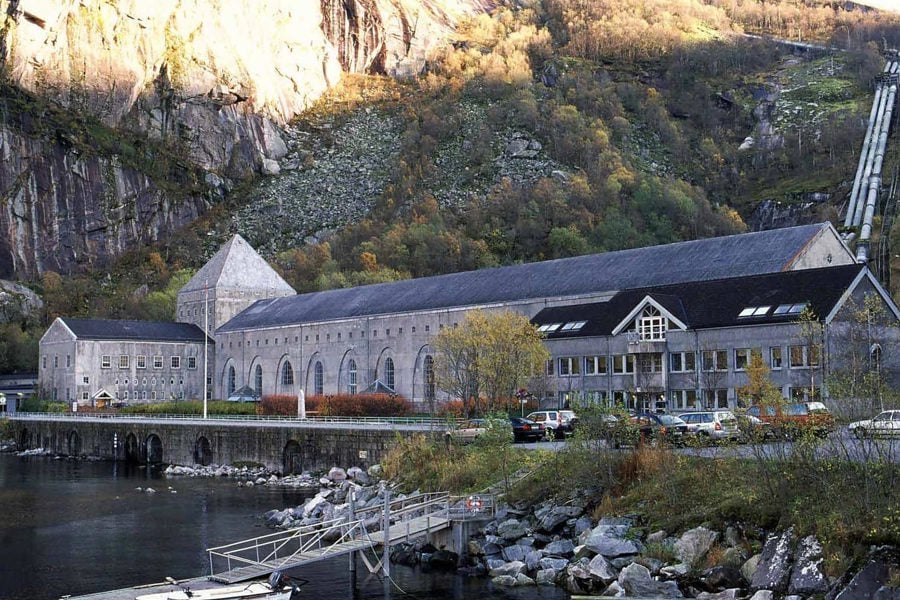
Nature appears repeatedly in Murakami’s oeuvre—not merely as decorative filler but as a symbolic counterpoint to synthetic pop culture. He often juxtaposes electric neon blossoms against fluid, organic forms, suggesting a dialogue between tradition and technology. This balance is illustrated by a visual metaphor:
The Glomfjord hydropower plant, with its sleek turbines and cascading water, mirrors Murakami’s fascination with kinetic energy and bright, flowing patterns. Just as the plant converts nature’s force into electric light, Murakami transforms cultural currents into luminous visual language.
What practical lessons can budding artists take from Murakami’s career?
Murakami’s journey offers several actionable takeaways that beginners can apply immediately:
- Build a personal visual language. Consistent motifs, like Murakami’s smiling flowers, make an artist instantly recognizable.
- Embrace cross‑disciplinary work. Designing album covers, sneakers, or digital NFTs expands reach while keeping the core aesthetic intact.
- Leverage technology. Murakami’s use of holographic pigments and VR installations shows how new tools can amplify a signature style.
- Maintain cultural dialogue. Grounding contemporary visuals in historic references creates depth that resonates across generations.
How is Murakami influencing the art market today?
Murakami’s pieces consistently command high auction prices, but his impact extends beyond numbers. By establishing Kaikai Kiki Co., Ltd., he created an artist‑run platform that supports emerging talent, curates exhibitions, and produces limited‑edition merchandise. This hybrid model blurs the line between gallery and shop, prompting other creatives to consider self‑managed enterprises as viable alternatives to traditional representation.
What future directions might Murakami explore?
While no official announcements exist, trends suggest he may deepen his involvement with immersive digital realms—augmented reality installations, blockchain‑based collectibles, or AI‑generated extensions of his “Superflat” visual lexicon. Such ventures would keep his aesthetic at the frontline of cultural evolution, ensuring that the playful yet critical spirit of his work continues to inspire both collectors and casual viewers.