Que le pasa a Shakira? A Real Look at Chemical Spill Risks
When headlines ask “que le pasa a shakira,” the internet is quick to latch onto speculation about the pop star. In reality, the most pressing concern in many communities today is the environmental and health impact of chemical spills. This article breaks down the facts, examines the trade‑offs of current cleanup methods, and offers practical steps for businesses and residents alike.
Understanding the Basics of Chemical Spills
A chemical spill occurs when hazardous substances are released from a containment system—whether a tank, pipe, or container—into the environment. The immediate risks include:
- Airborne toxins that can harm workers and nearby residents.
- Water contamination that threatens aquatic ecosystems and drinking supplies.
- Soil degradation that can affect agriculture and long‑term land usability.
Typical culprits are industrial solvents, petroleum products, and chemical reagents used in manufacturing. The severity of a spill depends on the type and quantity of the chemical, the release mechanism, and the surrounding environment.
Trade‑offs of Current Cleanup Techniques
When a spill happens, responders weigh speed, cost, and environmental impact. Common approaches include:
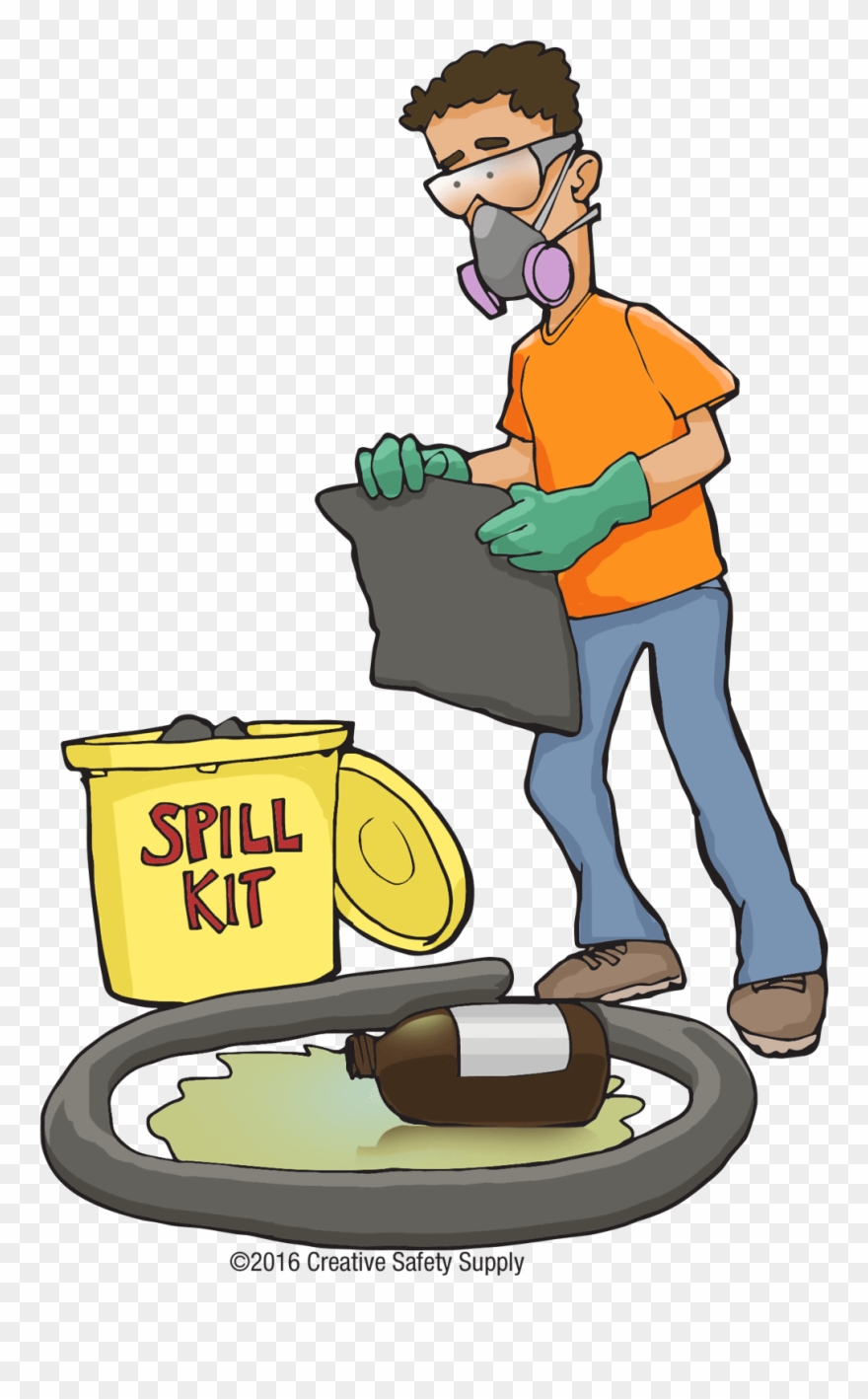
- Containment – Deploying barriers and absorbent pads. Pros: quick containment, minimal chemical use. Cons: may not remove all contaminants; residuals can linger.
- In‑situ neutralization – Adding chemicals to neutralize the hazard directly at the source. Pros: reduces transport needs, can be tailored to specific contaminants. Cons: requires precise dosing and can create secondary waste streams.
- Excavation and removal – Removing contaminated soil or solids for off‑site treatment. Pros: effective for large volumes. Cons: high cost, logistical complexity, and potential for spreading contamination during movement.
Choosing the right method hinges on the scale of the spill, the surrounding infrastructure, and regulatory requirements. In many cases, a hybrid strategy—combining containment with in‑situ neutralization—delivers the best balance between rapid response and long‑term safety.
Realistic Expectations for Recovery
Recovery from a chemical spill is rarely instantaneous. A typical timeline looks like this:
- 0–24 hrs – Initial containment and air sampling.
- 24–72 hrs – Full assessment of chemical identity, quantity, and spread.
- 3–7 days – Implementation of containment or neutralization.
- 1–3 months – Soil and water testing to confirm safe levels.
- 3–12 months – Full site remediation and re‑occupancy clearance.
Even after cleanup, monitoring may continue for years, especially for persistent organic pollutants that bio‑accumulate in local wildlife.
Preventing Spills: Practical Measures for Businesses
Prevention is always cheaper than remediation. Key actions include:
- Regularly inspect storage tanks, valves, and piping for corrosion.
- Use secondary containment (e.g., double‑wall tanks, spill pallets).
- Implement a robust spill response plan, including trained personnel and ready‑made containment kits.
- Keep detailed records of chemical inventory, including quantities and hazard classifications.
Investing in automation—such as leak‑detection sensors—can catch issues before they become full‑blown spills.
What Residents Should Know
Community members near industrial sites can stay informed by:
- Following local environmental agency updates.
- Participating in neighborhood safety meetings.
- Keeping an emergency kit that includes protective gloves, masks, and a list of emergency contacts.
If you suspect a spill, report it immediately to the local emergency services and environmental agency. Prompt reporting can drastically reduce exposure risks.
Conclusion
While “que le pasa a shakira” may dominate social media chatter, the real question for many communities is how to protect themselves from chemical spill hazards. By understanding the science, evaluating trade‑offs, and implementing proactive measures, businesses and residents can turn the tide against environmental contamination and safeguard public health for the long term.