Why Culture Share Is Reshaping How Communities Exchange Knowledge and Resources
Culture Share is emerging as a practical way for neighborhoods, schools, and local groups to swap skills, tools, and knowledge without relying on cash or commercial platforms. Instead of buying a drill or paying for a class, participants lend, teach, or trade—turning idle assets into community value. Early adopters report lower costs and stronger social ties, but the model also faces limits around trust, maintenance, and scale.
How Culture Share Works in Practice
At its core, Culture Share is a barter system built on reputation. A gardener might offer pruning lessons in exchange for a neighbor’s bicycle repair. Libraries, makerspaces, and community centers increasingly host “skill swaps” where members post what they can offer and what they need. Unlike gig apps that take a cut, these exchanges rely on local coordination and often use simple spreadsheets or group chats to track transactions.
One example is a tool-lending library in Portland, Oregon, where residents check out everything from power drills to cake pans. Members pay a small annual fee, but the real value comes from avoiding duplicate purchases and reducing waste. Similar initiatives appear in urban co-ops and rural co-ops alike, adapting to local needs without complex software.

Where the Model Excels—and Where It Stumbles
Culture Share thrives in tight-knit communities where trust is already high. It reduces consumption, supports local resilience, and can strengthen bonds between generations. Seniors often trade gardening advice for childcare, while young families share baby gear to cut costs. In areas with limited retail options, these networks become lifelines.
But the system has real constraints. High-value items like cameras or power tools require insurance or strict borrowing rules to prevent damage or loss. Maintenance becomes another burden—who fixes a broken item if the original owner is unavailable? Some groups solve this by rotating responsibility, but that adds overhead. Scaling beyond a single neighborhood is difficult; trust doesn’t travel well across zip codes.
What Realistic Expectations Look Like
Culture Share isn’t a replacement for markets or services, but it can complement them. It works best for low-risk, frequently used items—books, kitchen tools, gardening supplies—rather than one-time purchases like a mattress or a winter coat. Participants should expect to invest time in organizing, vetting new members, and maintaining shared assets.
For organizers, the biggest win is often social: neighbors who rarely spoke now collaborate on projects. Yet the financial savings vary widely. A 2022 study of a Boston tool library found members saved an average of $200 per year, but that required consistent participation and minimal wear on borrowed items. Without clear guidelines, enthusiasm can fade quickly.
Next Steps for Would-Be Participants
If you’re curious about joining or starting a Culture Share group, begin small. Inventory what you already own that others might need—extra tools, spare rooms, or specialized skills. Then reach out to local groups or create a simple sign-up sheet at a community center. Set clear rules up front: borrowing periods, damage policies, and how to handle disputes.
For those already involved, consider whether your group could partner with a local business or nonprofit to share costs. Some libraries now host tool libraries in partnership with hardware stores, reducing the burden on volunteers. Others use free online platforms like Freecycle or Buy Nothing groups to broaden participation without formal structures.
The key is balancing idealism with pragmatism. Culture Share won’t overhaul the economy, but it can make daily life a little lighter—one tool, one lesson, one shared meal at a time.
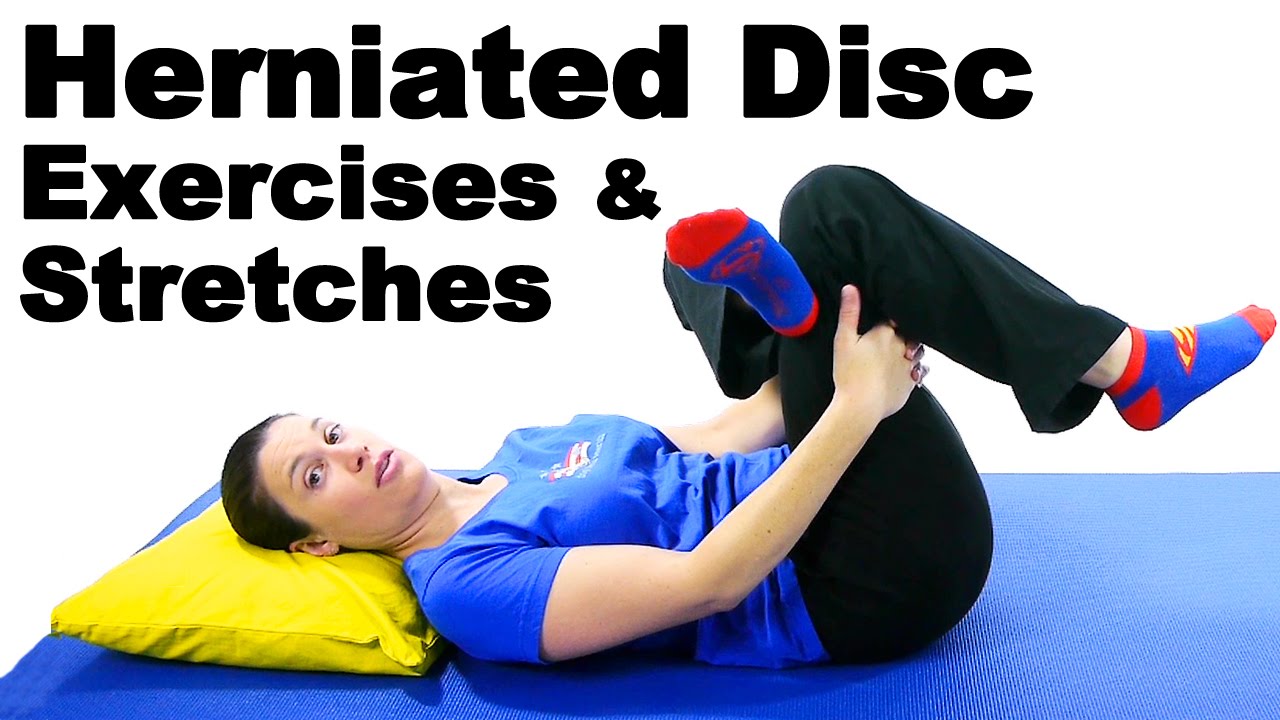
Workout For Herniated Disc | EOUA Blog
disc herniated exercises back lower lumbar stretches
Workout For Herniated Disc | EOUA Blog

disc herniated bulging lower back exercises stretches pain slipped workout lumbar exercise relief fat spine relieve lose
7 Herniated Disc Exercises For Lower Back (Lumbar Area)

exercises herniated lower lumbar stretches low
Herniated Disc Exercises For Fast Results- Lower Back Pain Relief

disc exercises herniated back lower pain relief fast results are