Practical Guide to Using “Cell Cycle General Biology 1 PPT” Effectively
Students and educators searching for a ready‑made PowerPoint on the cell cycle often hit a maze of outdated slides, unclear licensing, and mismatched curriculum standards. The “cell cycle general biology 1 ppt” offers a concise, curriculum‑aligned set of slides that cover mitosis, interphase, regulation checkpoints, and key molecular players, making it a reliable shortcut for anyone who needs a clear, classroom‑ready presentation without reinventing the wheel.
Why the Cell Cycle PPT Still Matters
High‑school biology programs in the United States still allocate a single or double period to the cell cycle, yet the topic demands visual clarity—chromosome condensation, spindle formation, and checkpoint signaling are best conveyed with diagrams and animations. A well‑structured PPT fills that gap by providing:
- Accurate, up‑to‑date graphics that align with the Next Generation Science Standards (NGSS).
- Slide notes that suggest talking points, so teachers can stay on track during a 45‑minute lesson.
- Embedded quiz questions that allow instant assessment without switching files.
How to Verify the Quality of a “Cell Cycle General Biology 1 PPT”
Before downloading, run a quick checklist:
- Source credibility. Prefer files hosted by university departments, recognized educational NGOs, or reputable open‑education platforms. Look for author credentials (e.g., a biology professor or a certified teacher).
- Curriculum alignment. Confirm that the slide headings match the NGSS expectations for HS‑LS1‑2 (the structure and function of cells) and HS‑LS1‑4 (cell division).
- Visual fidelity. Diagrams should show clear phases: G1, S, G2, M, and clearly label centrioles, kinetochores, and cyclin‑dependent kinases.
- Licensing. Open‑access or Creative Commons licenses (CC‑BY or CC‑BY‑NC) ensure you can adapt the file legally.
Adapting the PPT for Different Classroom Needs
One size rarely fits all. Here are three quick modifications that keep the core content intact while customizing the delivery:
- Flipped classroom. Export the slide deck to PDF, assign it as pre‑class reading, and replace the introductory slides with a short video recap.
- Hands‑on labs. Insert a slide that links to a simple mitosis simulation (e.g., a free online app) and schedule a 20‑minute lab after the conceptual overview.
- Advanced learners. Add a supplemental slide on cyclin degradation pathways, citing primary literature such as the 2022 review in *Cell Reports* for students ready to explore beyond the basics.
Practical Steps to Download and Deploy
Once you’ve passed the quality filter, follow these three steps to get the PPT into your lesson plan:
- Click the “Download PPT” button on the hosting page; the file will usually be a
.pptxcompressed to under 2 MB. - Open the deck in PowerPoint or a compatible editor (Google Slides works as well) and verify that all embedded media load correctly.
- Save a copy in your school’s shared drive, rename it with the date and class section (e.g., CellCycle_HS_Biology_2024_Fall.pptx), and add a brief description in the file’s metadata for future retrieval.
Implications for Student Performance
Research consistently shows that visual aids boost retention of complex processes by up to 30 % compared with text‑only instruction. By incorporating the “cell cycle general biology 1 ppt,” teachers can:
- Reduce the time spent on slide creation, freeing up class minutes for discussion and inquiry.
- Offer a consistent visual language across multiple cohorts, which helps students build cumulative knowledge.
- Maintain curricular fidelity, ensuring that exam preparation aligns with the same diagrams students see in class.
Bottom Line
When the clock is ticking and the syllabus demands precision, the “cell cycle general biology 1 ppt” serves as an efficient, standards‑aligned resource. By vetting the source, confirming licensing, and tailoring a few slides to your teaching style, you turn a generic deck into a powerful learning engine that keeps students engaged and improves outcomes without the typical preparation headache.
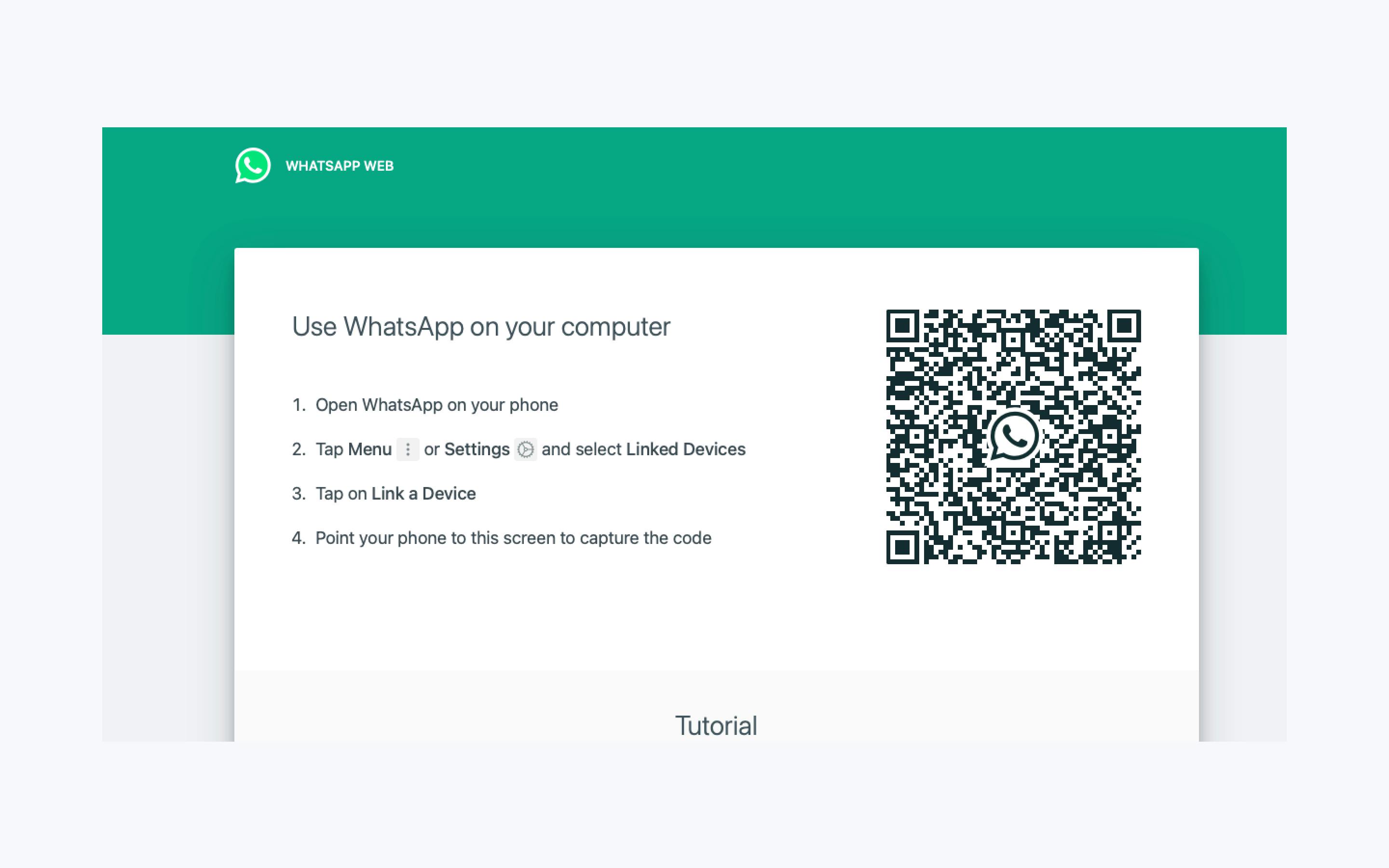
WhatsApp Web: Online Guide To WhatsApp Desktop
WhatsApp Web: Online guide to WhatsApp Desktop